Why Sweepstakes Casino Brand Cloning Is a Technical Nightmare
The moment a sweepstakes casino brand pulls real traffic, clone apps start spawning in the US app stores like roaches under a fridge. This is not marketing paranoia — it is a hard, mechanical exploit of how store indexing, bundle IDs, and visual identity verification actually work. Cloners do not need your source code. They need your icon, your screenshots, and a five-dollar developer account. 🎯
What most operators miss is that the clone pipeline is fully automated. Scrapers pull your store listing assets within hours of a ranking spike, repackage a thin webview wrapper, and push it live under a near-identical name. The result is a Sweepstakes Casino Brand Cloning Risk that compounds every single day your listing sits unmonitored. Your players search your name, tap the first result, and land inside a shell that harvests credentials or drains coin balances through fake redemption flows.
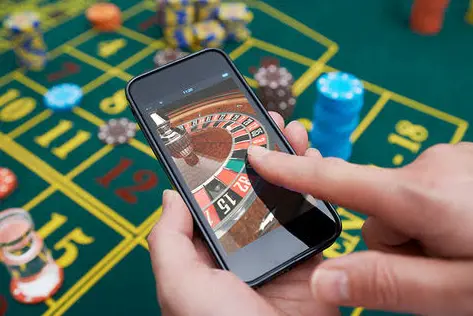
App Store Squatting in USA: The Mechanics of the Grab
App store squatting in the USA is a land-grab discipline, and the squatters know the review queues better than the platform engineers do. They register lookalike bundle identifiers, mirror your metadata keywords, and exploit the gap between trademark filing and store enforcement. Apple and Google review teams do not cross-check trademark databases in real time — they react to complaints, and complaints take weeks.
Here is the ugly truth: a squatted listing can rank for your brand term before your legal team even drafts a takedown. The store algorithm weighs install velocity and keyword match, not brand authenticity. A clone with a slightly misspelled name — one swapped vowel, one dropped letter — sails through automated screening while your genuine app sits in review purgatory. 📱
Operators who treat this as a PR problem are already losing. This is an infrastructure problem. You need continuous listing surveillance, automated brand-term monitoring across both major US stores, and pre-filed enforcement templates ready to fire the second a clone goes live.

Code-Level Deduplication and Identity Hardening
Clone defense starts before the clone exists. Hardening your app identity means unique certificate pinning, signed asset watermarks embedded in screenshots, and server-side attestation that rejects any client not carrying your cryptographic signature. If a cloned wrapper tries to hit your redemption API, it should bounce off a hardware-backed attestation check, not a password field.
The App Store Squatting in USA wave also feeds on weak deep-link schemes. Squatters register your custom URL scheme and intercept player redirects. Lock your universal links to verified domains, rotate signing keys, and audit every SDK for callback hijacking. A clone that cannot authenticate is a clone that cannot steal a single redemption code. 🔐
Finally, treat store metadata as attack surface. Monitor icon perceptual hashes, screenshot pixel fingerprints, and title string distance across the US storefronts weekly. The squatters move in hours; your detection loop must run faster than their deploy pipeline, or the next clone ships before your dashboard even blinks.